
666 Meaning in Chinese Culture: Slang, Luck and Use
Learn why 666 means “awesome” in Chinese slang, when it can sound sarcastic, how its lucky-number use differs, and why context matters across cultures.

Learn why 666 means “awesome” in Chinese slang, when it can sound sarcastic, how its lucky-number use differs, and why context matters across cultures.
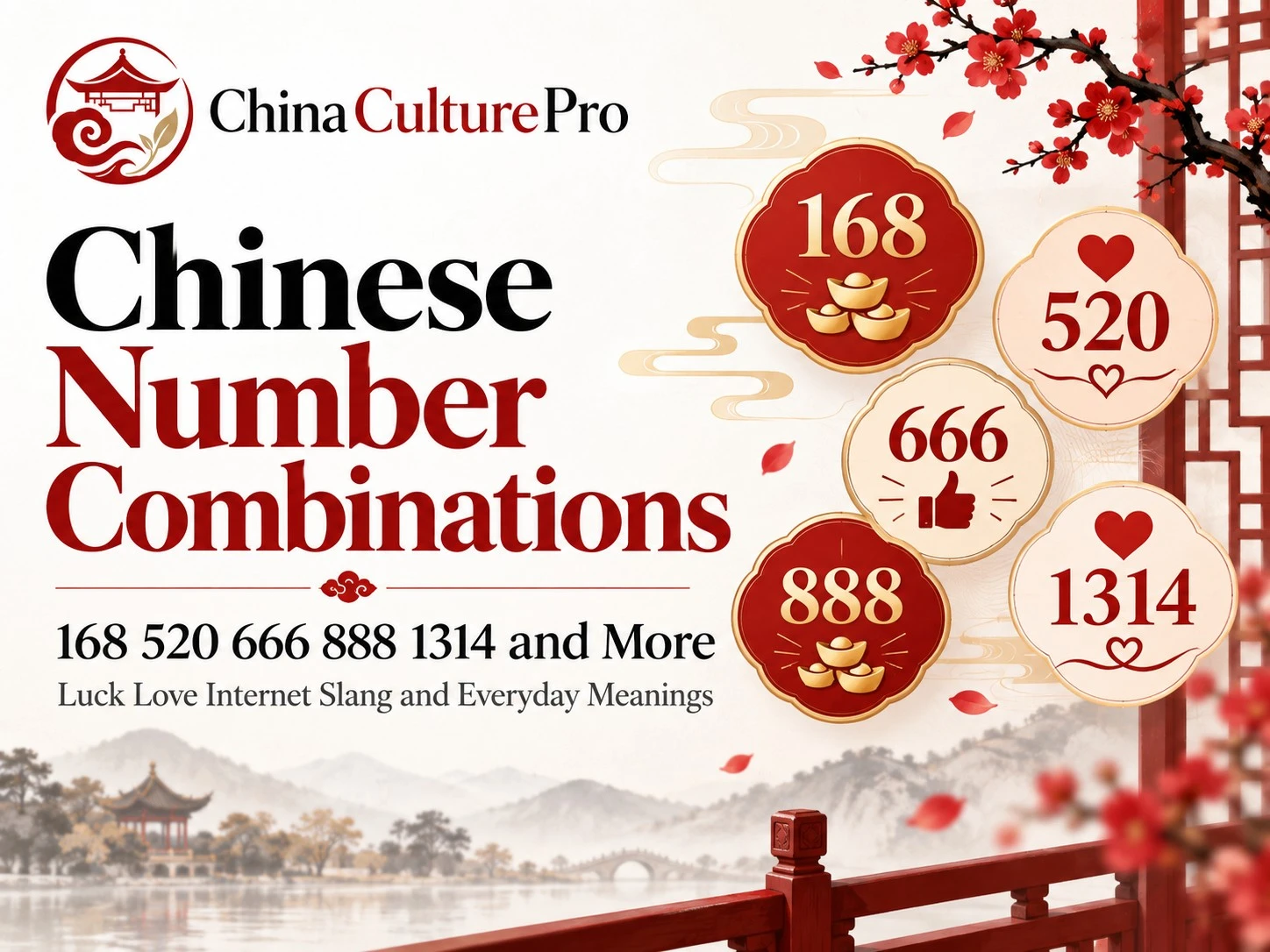
Learn what 168, 520, 666, 888, 1314 and other Chinese number combinations mean, with lucky wishes, love codes, internet slang, context and usage limits.
Learn why 520 means “I love you” in Chinese, how May 20 became an unofficial Valentine’s Day, and how to use 521 and 1314 correctly in messages and gifts.
Learn what 521 means in Chinese culture, why it expresses love, how it differs from 520, and why May 21 is a modern online romance date, not tradition.
Discover what 7 means in Chinese culture, from Qixi romance and qiqiao traditions to Ghost Month, mourning rites, homophones, luck and everyday use.
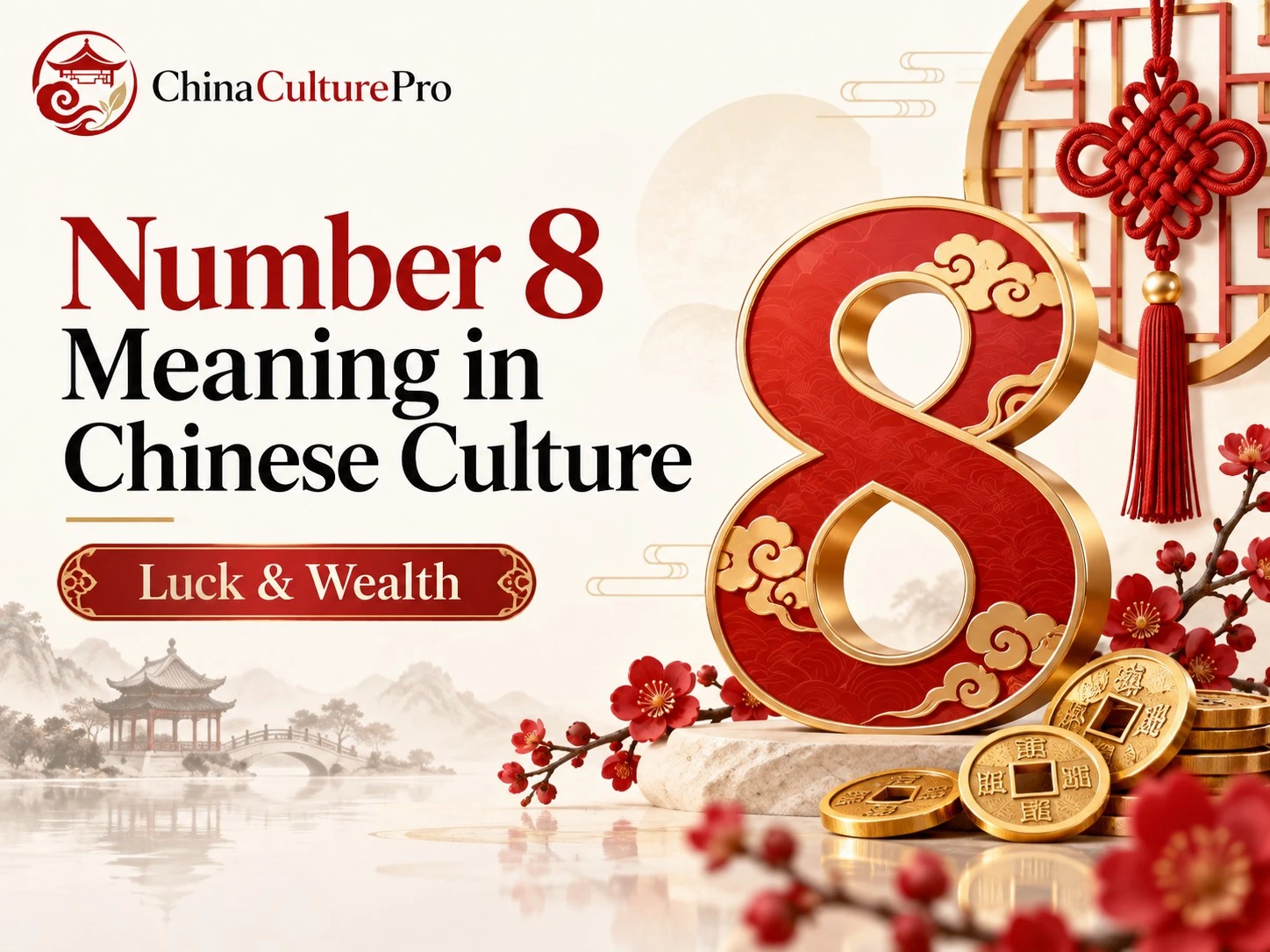
Learn why 8 is lucky in Chinese culture, how bā relates to fā, what 88, 888 and 168 mean, and where its prosperity symbolism has real limits in daily life.
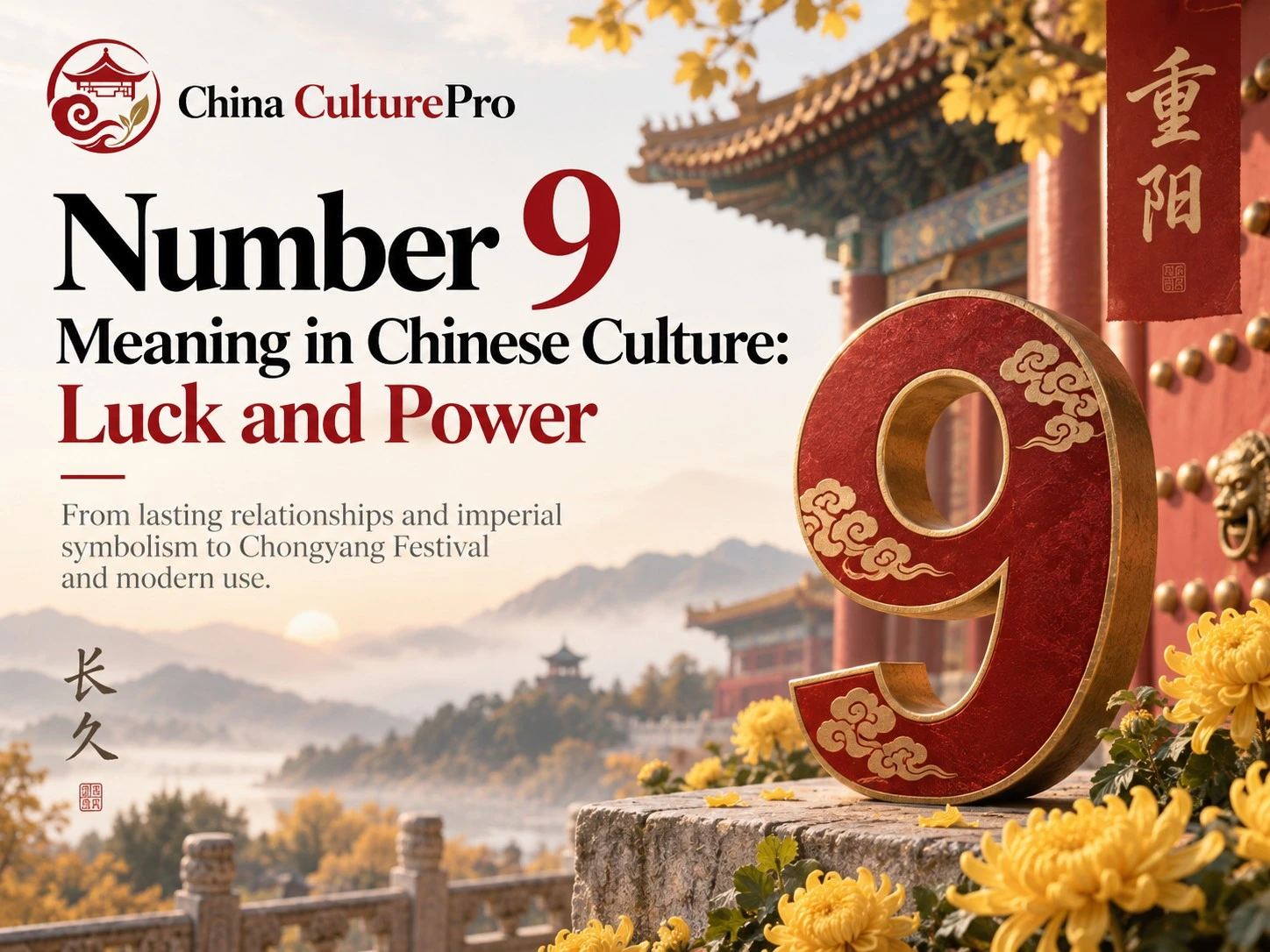
Explore the meaning of number 9 in Chinese culture, from lasting relationships and imperial symbolism to Chongyang Festival, combinations, and modern use.
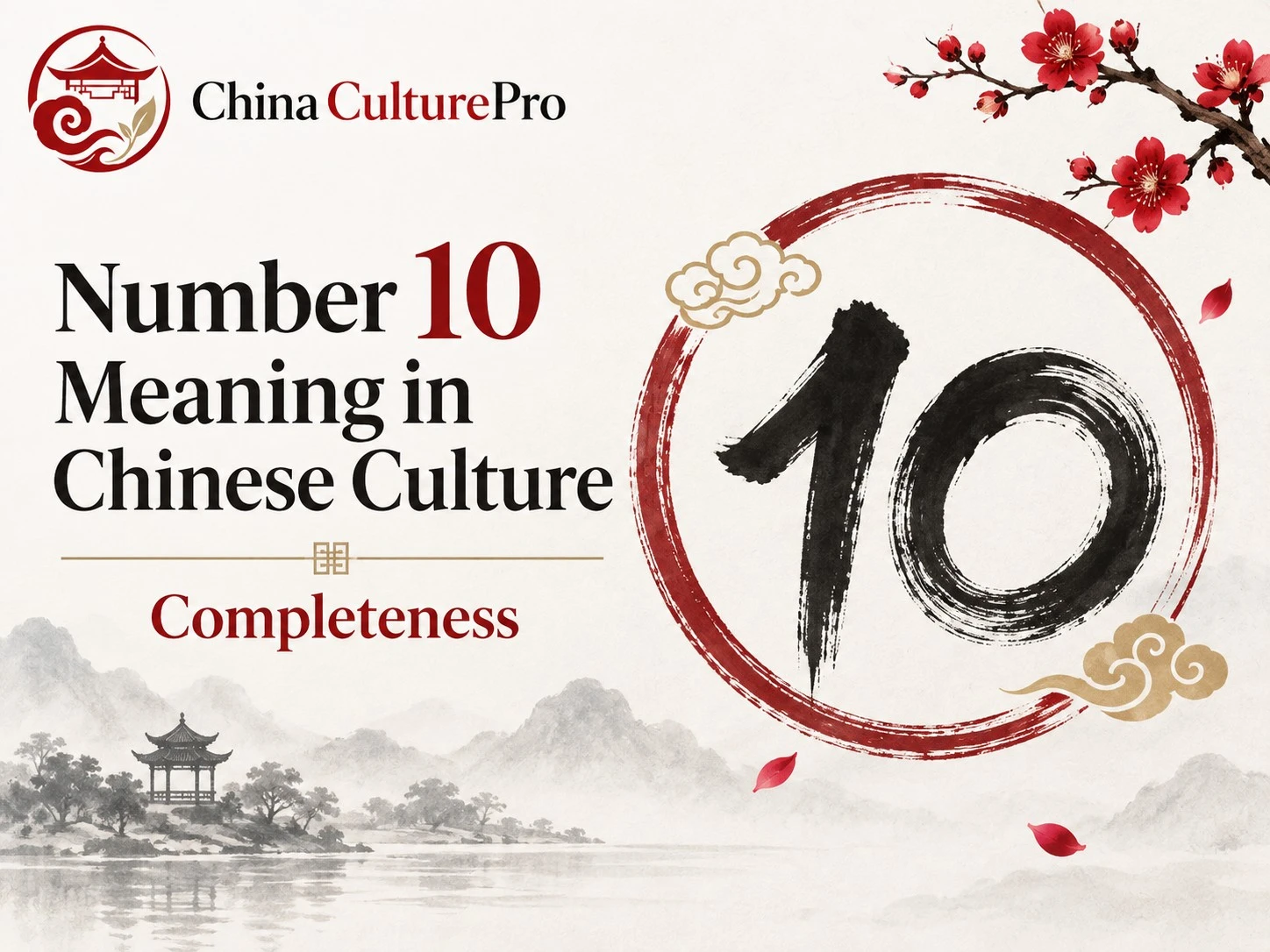
Learn what number 10 means in Chinese culture, from completeness and perfect scores to the Ten Heavenly Stems, Ten Directions, daily use, and Wuxing limits.
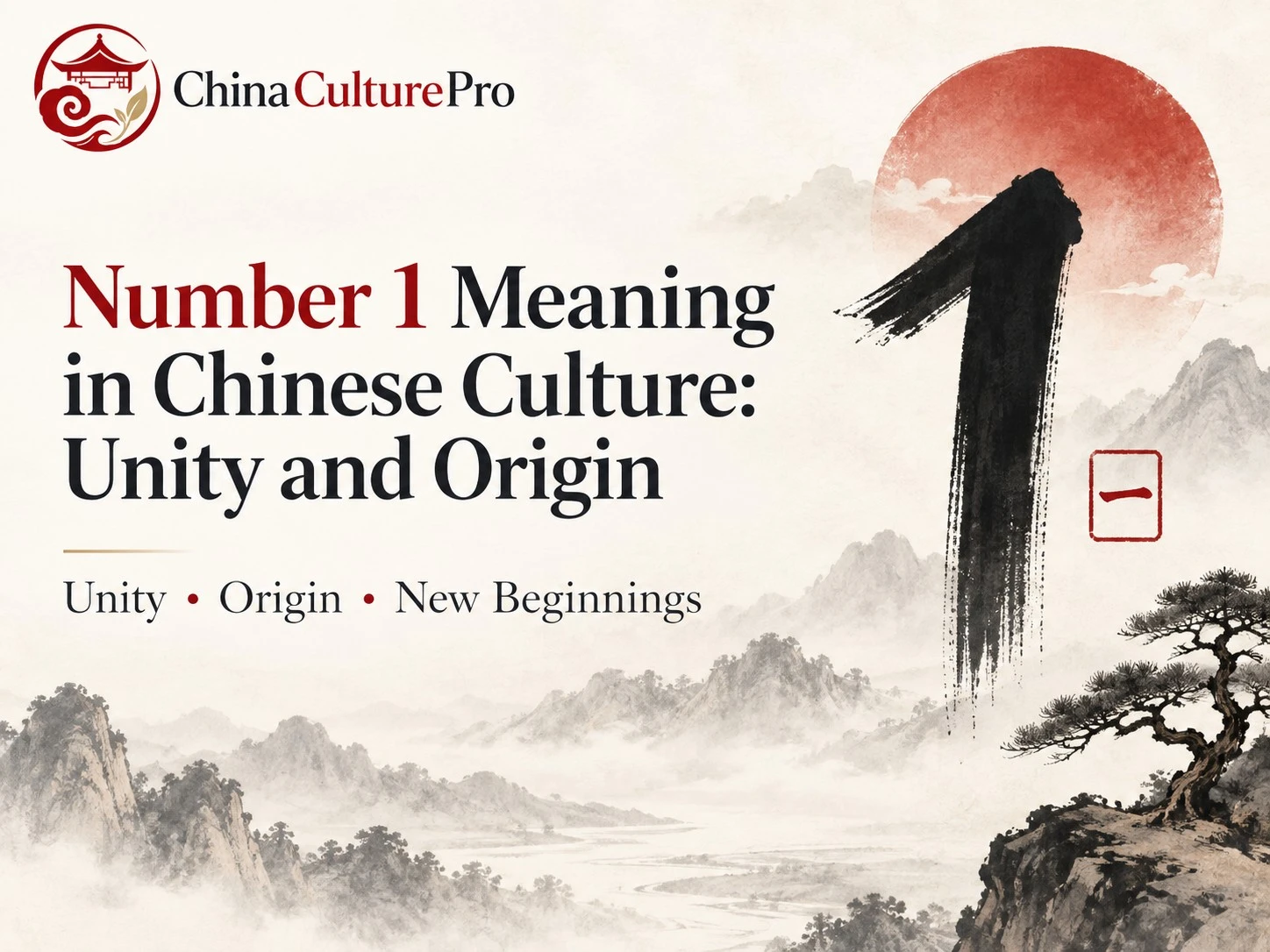
Explore what number 1 means in Chinese culture, from unity and origin in classical thought to luck, Wuxing, Singles’ Day, and modern number codes in China.
Learn what number 2 means in Chinese culture, from pairs and Double Happiness to Yin-Yang thought, everyday etiquette, slang and Wuxing limits explained.